

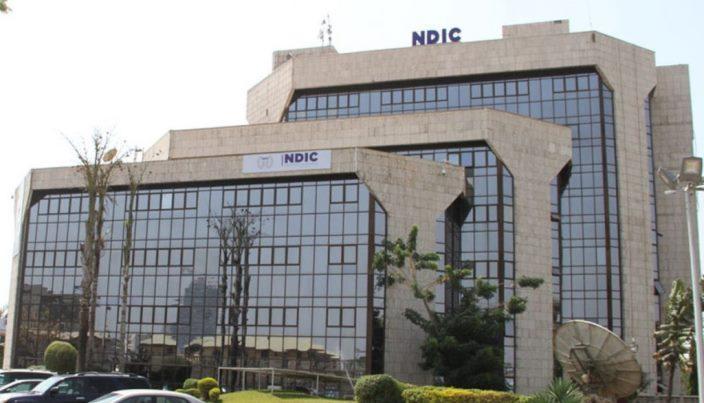
The Nigeria Deposit Insurance Corporation (NDIC) is ramping up efforts to recover N1.5 trillion in outstanding debts and assets from nearly 150 failed financial institutions, including 50 deposit money banks (DMBs) and over 100 microfinance banks (MFIs). This initiative leverages enhanced powers under the NDIC Act 2023 to boost depositor reimbursements and restore confidence in Nigeria’s banking sector.
NDIC’s Director of Asset Management, Patricia Okosun, disclosed the N1.5 trillion figure during a sensitisation seminar for debt recovery agents in Lagos. The amount covers unpaid loans, insider-related credits, non-performing assets, and other liabilities tied to liquidated institutions.
Okosun stated: “The purpose of this engagement is to highlight the stronger debt recovery provisions introduced by the new Act. Compared to the previous framework, the current law offers more comprehensive powers. We are guiding our agents on how to use these tools to improve results.”

The seminar trained agents on asset tracing, debt collection, and legal actions against debtors and insiders, targeting complex cases involving litigation or uncooperative parties.
The recovery targets approximately 50 closed DMBs, over 100 MFIs, plus primary mortgage banks and finance companies in liquidation since 1994. NDIC reports prior recoveries include N33.54 billion from DMB debtors out of N1.37 trillion in risk assets, alongside smaller amounts from MFIs and PMBs.
Okosun added: “While external recovery agents play an important role, not all recoveries will be handled solely by them. Their involvement is particularly crucial in complex cases.” She expressed optimism for substantial progress under the new framework, though full recovery may take time.
These efforts aim to accelerate liquidation dividends for uninsured depositors exceeding coverage limits, following recent payouts like those for Heritage Bank. NDIC Executive Director Emily Osuji noted swift reimbursements using linked BVNs, urging account linkage for efficiency.
The push aligns with NDIC’s mandate to protect depositors—now covering 99% of accounts after recent limit hikes—and maintain financial stability amid Nigeria’s economic challenges.
