

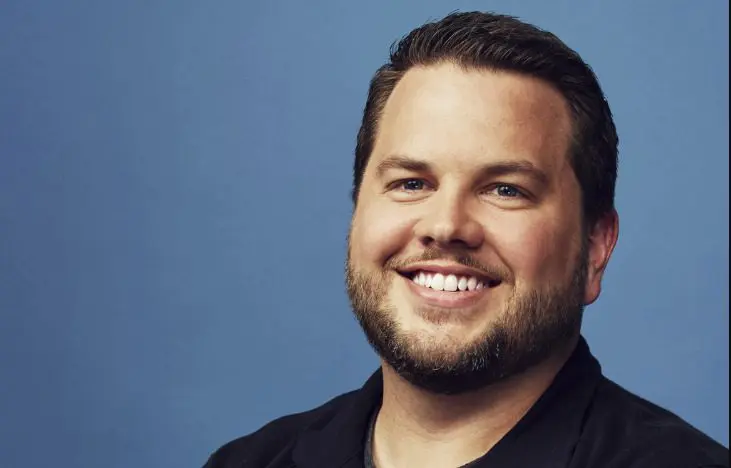
Bill Ready, CEO of Pinterest, in a move that marks a significant fracture in Silicon Valley’s unified front, has publicly urged governments worldwide to implement a mandatory ban on social media for children under the age of 16. Writing in a high-profile opinion piece for The Times, Ready argued that the current digital landscape is “fundamentally unsafe” for adolescents. His comments come at a critical juncture as nations, including Nigeria, Australia, and France, begin drafting or enforcing strict age-gating legislation to protect minors from online harm
Ready’s argument centers on a harsh critique of the industry’s business model. He asserted that most social media platforms are engineered to maximize “watch time” and engagement rather than user well-being. Speaking from his dual perspective as a tech executive and a parent, Ready emphasized that “legal compliance is not the same as safety.” He further warned that the rapid integration of Artificial Intelligence (AI) and chatbots poses new, unregulated risks to emotional and psychological development. “Social media, as it is configured today, is not safe for young people under 16,” Ready stated. “It has been designed to keep kids glued to a screen with little regard for their own well-being.”
The call for regulation reflects a growing international trend toward digital “walled gardens” for children. To this effect, Australia and Indonesia have already moved to enforce bans for individuals under 16. In Europe, France and Denmark are currently advancing legislation to restrict access for children under 15, while right here in Nigeria, the Ministry of Communications, Innovation, and Digital Economy recently launched public consultations to establish a framework for age restrictions, seeking to protect children from cyberbullying and harmful content.
While acknowledging that no ban is foolproof and that teenagers may attempt to bypass restrictions, Ready maintained that partial protection is a moral imperative. “Broad restrictions come with difficult tradeoffs,” he admitted, “but inaction is no longer an option.” The CEO’s stance signals a potential shift in how tech leaders approach regulation, moving away from self-governance toward a model of government-mandated safety standards.
