

For many young Nigerians, the hardest part of building a career or business is securing that first opportunity. Academic knowledge, entrepreneurial ambition and technical interest must be matched with practical skills and experience.
How can young people gain the skills and experience required to turn ambition into lasting economic participation?
Nestlé Nigeria has approached this challenge through initiatives supporting different pathways into work and enterprise. From business networks and workplace exposure to technical and vocational training, its programmes seek to equip young people with capabilities they can use beyond their first opportunity.
Enterprising

For many young people, entry into the economy does not begin with a formal office job. It may start with a small business, a commercial network or an opportunity to earn while gaining practical experience.
Nestlé Nigeria’s support for the MYOWBU network reflects one way the company has sought to create such opportunities. The network provides openings for operators and attendants, while capacity-building activities are designed to strengthen their participation in its operations.
In June 2025, the company organised a Lagos workshop for more than 300 MYOWBU operators and attendants. The engagement focused on building the capabilities of people involved in the network, recognising that business performance depends partly on the knowledge and competence of those responsible for daily operations.
Nestlé Nigeria has reported that the MYOWBU network has created more than 1,500 employment opportunities. The initiative illustrates how commercial networks can provide entry points into economic activity for people who may not immediately secure conventional employment. Participation can offer practical exposure to business operations and customer engagement, alongside an opportunity to earn an income.
Move to Professional Experience
For other young Nigerians, the next step is moving from academic learning into the professional world. Graduates may have theoretical knowledge but limited exposure to workplace expectations, while employers often seek candidates who can communicate, work in teams, solve problems and adapt to organisational demands.
Through its Nesternship initiative, Nestlé has created an avenue for young people to gain professional exposure and understand workplace environments. An internship can introduce participants to professional responsibilities, team dynamics and practical assignments, helping them connect academic knowledge with workplace experience and build confidence.
Beyond the number of placements, meaningful assignments, professional guidance and transferable skills determine whether participants can use the experience in future employment.
Building the Skills Behind Industry
Some career paths require specialised preparation. Manufacturing depends on technical personnel who can operate and maintain production equipment, ensure electrical systems function reliably and resolve operational challenges. These competencies require practical training beyond classroom instruction.
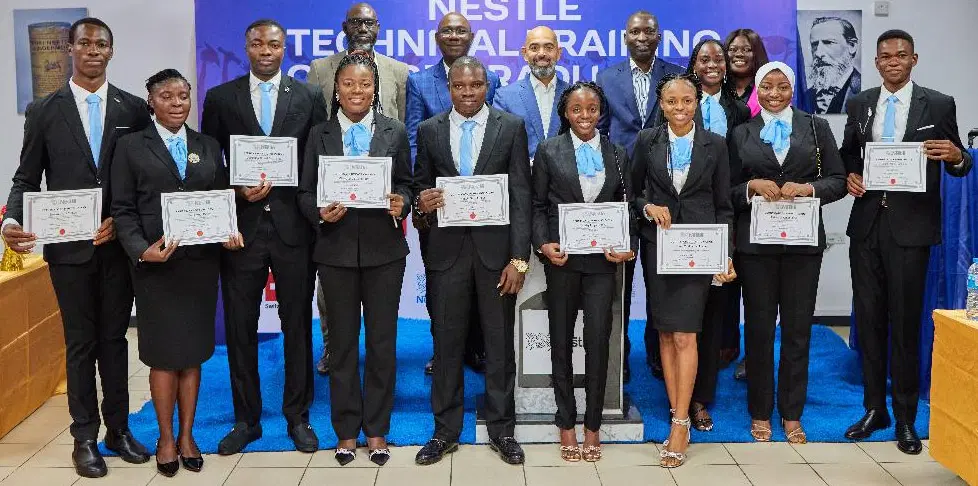
Nestlé Nigeria’s Technical Training Programme addresses this need by providing young Nigerians with vocational skills relevant to industrial operations. Established in 2011, it has developed into a three-centre training platform at the company’s Agbara, Abaji and Flowergate factories.
Over 18 months, participants receive training in machining, mechanical fitting operations, electrical operations, instrumentation and automation. The programme combines theoretical instruction with practical experience, exposing trainees to the technical processes that support manufacturing.
According to Nestlé Nigeria’s 2025 Annual Report, 60 young people graduated from its technical training centres during the year, bringing the cumulative number of graduates to more than 289. The company also reported that 98 per cent of graduates had secured employment at Nestlé Nigeria.
In April 2026, during activities marking the programme’s 15th anniversary, Nestlé announced that the cumulative number of trainees had risen to 309. It also disclosed that more than ₦6 billion had been invested in technical and vocational skills development through the programme.
These figures address a central concern surrounding vocational education: whether acquired skills can translate into employment. The programme has also created opportunities for selected trainees to gain experience outside Nigeria. In 2025, seven graduates participated in an eight-week internship at Nestlé Group factories in Switzerland, gaining exposure to industrial processes in another operating environment.
Different Journeys
The initiatives serve different groups, but share one goal: helping young people move from potential to productive participation.
A MYOWBU operator may need business knowledge and an opportunity to earn. A graduate may need workplace exposure, while an aspiring technician requires specialised instruction and access to industrial equipment. Effective youth development must recognise these different needs and provide opportunities that reflect young people’s interests, educational backgrounds and career aspirations.
Nestlé Nigeria’s initiatives illustrate this range. MYOWBU offers a commercial entry point, Nesternship provides professional exposure, and the Technical Training Programme develops specialised industrial competencies. Together, they reflect different routes into economic participation—as employees, technicians, business operators or aspiring entrepreneurs.
What Happens After the Opportunity?
The real measure of youth empowerment is what participants can do after the training, internship or initial support ends. For an entrepreneur, success may mean sustaining a business and earning a dependable income. For an intern, it may mean securing employment or applying professional experience elsewhere. For a technical trainee, it may mean finding a role where specialised skills can be used and developed.
Beyond the number reached, training quality, accessibility and long-term progress matter. Nestlé Nigeria’s reported technical training employment outcomes offer one indication of the link between skills development and workforce opportunities; consistent reporting across its initiatives would provide a fuller picture of their impact.
Nigeria’s youth development needs extend beyond what any single company can address. Expanding access to quality vocational education, meaningful internships and entrepreneurship support will require collaboration among businesses, government, educational institutions and development partners.
By supporting young Nigerians through enterprise participation, professional exposure and technical skills development, Nestlé Nigeria is contributing to this broader effort. The lasting value will be seen not simply in workshops held, internships completed or certificates awarded, but in careers strengthened, businesses sustained and capabilities developed.
The most meaningful opportunity does more than open a door; it gives a young person the skills and confidence to keep moving forward.
