

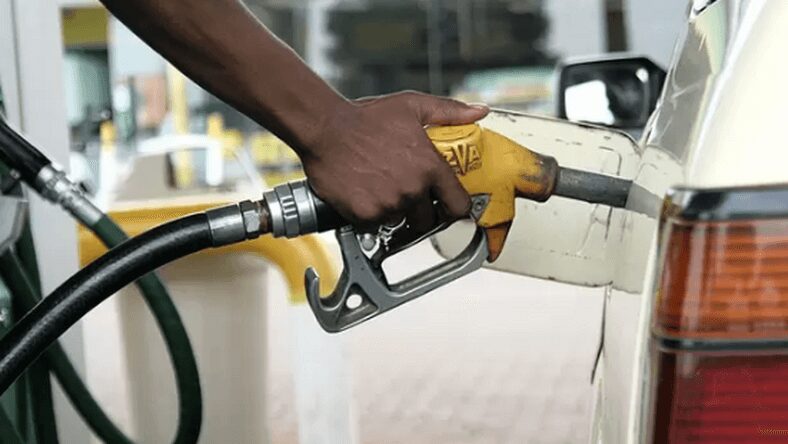
Digital payments now account for 43 per cent of fuel transactions across Nigeria, signalling a major behavioural and operational shift in one of the country’s most cash-dependent sectors. The figure comes from a new industry case study by financial services platform Moniepoint, which examines payment adoption, access to credit, and operational realities among petrol station operators nationwide.
The report highlights how digital infrastructure is steadily reshaping the downstream oil and gas retail landscape. Point-of-sale terminals have become central to daily operations, with more than 90 per cent of stations now relying on them to process customer payments. What was once a predominantly cash-driven environment is increasingly being defined by electronic transactions, faster reconciliation, and improved transaction tracking.
Nigeria’s fuel retail network remains a critical pillar of the country’s mobility and economic activity, with road transport accounting for the overwhelming majority of passenger and freight movement. Petrol stations collectively dispense tens of millions of litres of fuel daily, making efficiency at the forecourt a key factor in national productivity.

Despite the growth of digital payments, the report identifies settlement delays as a major operational constraint. The traditional “T+1” settlement cycle—where funds from card transactions are received the next business day—continues to strain cash flow for station operators. In a sector defined by tight margins and rapid inventory turnover, delayed access to funds can interrupt supply cycles, slow restocking, and lead to lost sales.
The study positions same-day settlement solutions as a practical response to these challenges, enabling operators to access their funds immediately, pay suppliers faster, and maintain consistent fuel availability. Faster access to working capital is also seen as essential to stabilising operations in a market where fuel prices and demand can fluctuate rapidly.
Access to credit remains another structural issue. According to the findings, one in three station owners considers financing their most persistent business challenge. To address this gap, the report outlines how embedded financial services and targeted lending solutions are helping operators secure working capital, upgrade infrastructure, and expand capacity.
Moniepoint’s lending programmes for fuel retailers have reportedly achieved a repayment success rate of 99.81 per cent, indicating strong demand for structured, short-term financing within the sector. Overall, the company estimates that nearly three in five petrol stations using its services have transitioned from largely manual, cash-driven operations to digitally enabled businesses with access to financial tools and credit.
Beyond the oil and gas sector, the company’s broader research initiatives have tracked similar digital adoption trends across open markets, pharmacies, agricultural value chains, and women-led enterprises. Together, these insights point to a wider transformation across Nigeria’s small and medium-scale business landscape.
With digital payments continuing to gain traction across everyday transactions, the fuel retail sector is emerging as one of the clearest indicators of how fintech infrastructure is reshaping commerce at scale. The shift toward cashless forecourts reflects not just changing consumer habits, but a deeper integration of financial technology into the country’s most essential industries.
