

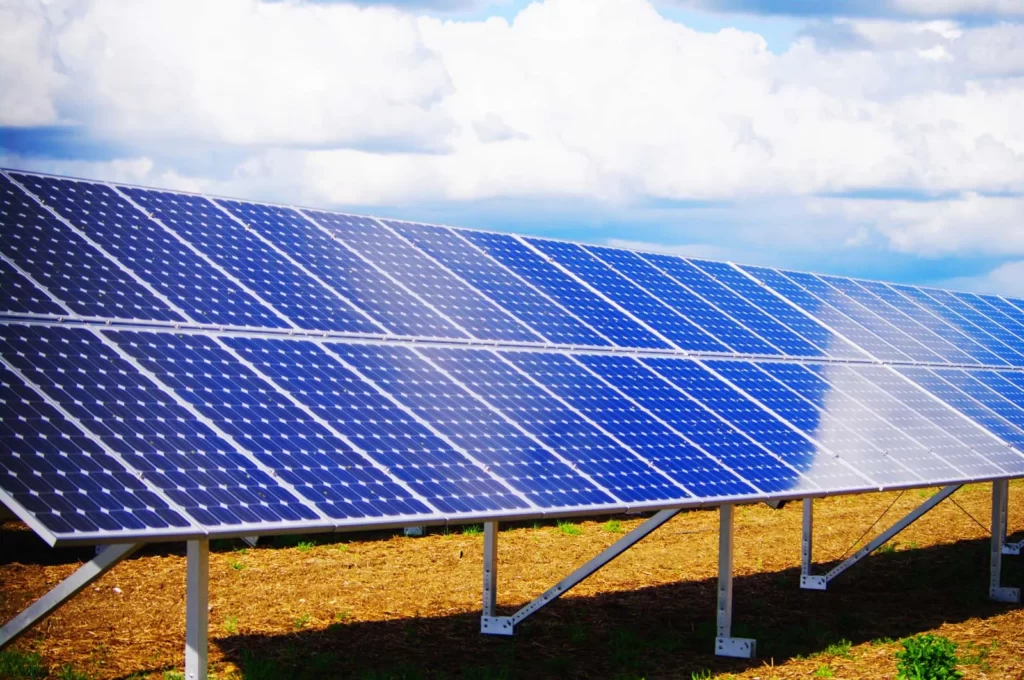
Solar companies in Nigeria are seeing huge demand for mini-grids and equipment from brand owners and corporate organisations as businesses in Africa’s biggest oil-producing nation look for alternative power sources.
This high demand for solar was a result of the price of diesel which has soared locally due to rising global oil prices. The price of diesel has nearly tripled to almost 1000 naira per litre and most of this increase came in the wake of Russia’s invasion of Ukraine. Even petrol, the alternative that is heavily subsidised has been very scarce with consumers forced to buy at excruciating prices from the black market.
However, due to supply constraints, the ability to capitalize on the trend might be tampered with as some are saying they have begun to turn away customers because they are unable to meet demand.
Africa’s largest economy, Nigeria with a population of more than 200 million people, has installed an electricity capacity of 12,500 megawatts but the national grid only provides 4,000 MW at peak, leaving businesses and citizens heavily reliant on diesel-powered generators.
Speaking on the demand for solar, Daystar Power Chief Commercial Officer, Victor Ezenwoko said, “There has been an increased growth in demand for solar which I think is driven by the spike in diesel prices this year,”
Solar power adoption is estimated at below 2% and some businesses perceive it as unsuitable for large-scale use, industry executives said.
A recent report by Boston Consulting Group and All-On, a Shell-funded firm, said Nigeria’s installed photovoltaic solar panel per capita amounted to 1 watt compared to an average of 8 watts in similar emerging markets like South Africa.
Prince Ojeabulu, CEO at Rensource Energy, stated that, as energy costs eat into companys margins, it is forcing businesses to actively consider solar, a clean form of energy.
He added that “By the end of the year, going by the trend that we see so far, we should have 12 MW of solar installations operational across Nigeria, or even more,”
A Ministry of Power official said there was an increase this year of approved solar mini-grids serving industrial users but did not give details.
But global supply chain disruptions caused by COVID-19 lockdowns in China this year and the wars in Ukraine are tampering with the optimism for growth. Delivery times for some equipment have risen from three months to as long as nine months.
“We could install 60 MW this year if we had the equipment. We have even started turning down customers as we have become more choosy with whom we work,” said Daystar CEO and co-founder Jasper Graf von Hardenberg.
Local financing has been difficult to access too, but money is flowing in from overseas development financial institutions looking to invest in businesses focusing on green energy.
Sinmi Akinsanmi, vice president for strategy and business operations, said that demand has been so strong for Arnergy solar that it has done more connections in the first half of 2022 than the whole of last year.