
Brandcomfest 2026: Industry Analysts Urge Agencies To Prioritise Consumer Trust In Brand Building

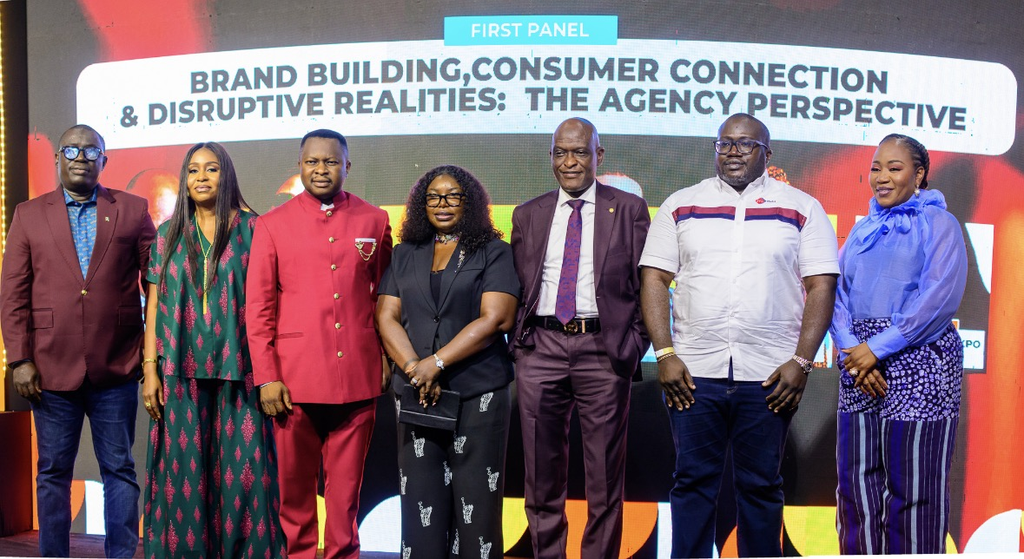
Marketing communications professionals have urged agencies and brands to invest in research, strengthen consumer relationships and deliver measurable business results as changing consumer expectations, emerging technologies and economic pressures reshape the industry.
The call was made during the first panel session at Brandcomfest 2026, held at the Landmark Event Centre, Lagos, last Saturday. The session examined how agencies could help brands remain relevant, build consumer loyalty and respond to the realities of a changing marketplace.

The theme for the panel was; “Brand Building, Consumer Connection and Disruptive Realities: The Agency Perspective.” The panel featured industry professionals including: Lanre Ashaolu, Chief Executive Officer, Four Pulley Limited; Esosa Osagiede, Group Creative Director, Insight Publicis; and Bolaji Abimbola, Managing Director, Integrated Indigo.
The panel session also featured Victoria Adewunmi, Managing Director and Chief Executive Officer, Watermark & Victoria; and Yinka Adebayo, Group Executive Director, Omnicom Media Group, West and Central Africa. They discussed the growing need for research, integrated communication, technology, accountability and creative solutions that address consumer needs. The session was moderated by Omoefe Ohworakpo, Brand Operation Media Manager at The FMN Group.
During the discussion, speakers described agencies as consultants whose understanding of the marketing communications ecosystem should be supported by continuous research and development. They said fresh insights would help agencies make informed decisions and develop strategies that respond to changes in consumer behaviour.
Speakers at the session noted that brands could no longer rely on previous research findings to guide their decisions indefinitely, as consumer needs and preferences were changing rapidly. The speaker urged brand managers to maintain regular contact with consumers and adjust their offerings to provide meaningful value.
According to the speaker, awareness alone is no longer enough to sustain brand performance, as consumers increasingly want to know how products and services address their needs. The speaker added that brands must understand what consumers value and demonstrate genuine concern for their well-being through relevant offerings and consistent engagement.
The discussion also highlighted the importance of building trust and creating measurable commercial value. Speakers maintained that agencies and brand owners must establish meaningful connections with consumers while ensuring their strategies contribute to profitability and stronger brand positioning.
Using the example of Lafarge Africa Plc’s transition to Huaxin, a panelist explained how established relationships with distributors, retailers and block makers helped maintain familiarity with the brand despite the name change. The speaker said sustained investment in consumer relationships could help businesses protect their reputation and maintain customer confidence during significant changes.


The discussion reinforced the view that the biggest threat to brands was not disruption itself, but irrelevance. A creative agency executive observed that platforms and technology would continue to change, but consumers would still seek meaningful relationships with brands. The speaker warned that superficial campaigns and attempts to appear disruptive without offering real value could cost businesses customers, particularly as Nigerians increasingly consider how they spend their money.
Artificial intelligence and its growing influence on creative production also featured prominently. A creative industry representative said AI should be treated as a tool to support agency work rather than a replacement for copywriters, art directors and creative directors. The speaker stressed that agencies must continue to provide the human understanding and strategic thinking required to solve business problems and establish meaningful consumer connections.
The session also explored how traditional and digital media could complement each other. Still speaking at the panel session, discussants envisaged that television and radio remained important for building reach and credibility, while digital platforms offered opportunities for engagement and feedback. The speaker advised marketers to combine both approaches and interpret campaign data carefully to improve planning and decision-making.
Data privacy emerged as another important consideration, with a panelist warning that consumer information must be collected transparently and protected against misuse. The speaker said businesses should clearly explain why personal data was needed and ensure it was used only for the stated purpose. The discussion also called for stronger internal controls, staff training and consumer education to maintain trust.
On public relations, discussants mentioned that agencies must develop integrated marketing communications capabilities that cover public relations, content marketing, digital communication and advertising. The speaker argued that the boundaries between these disciplines were becoming less distinct, requiring agencies to build wider expertise and provide coordinated solutions for clients.
The discussion also examined crisis management in a digital environment where misinformation and negative online conversations can quickly damage brand reputation. The speakers said organisations must monitor public reactions continuously and respond promptly, rather than waiting until the next day. Training company leaders to communicate clearly through video statements and investing in tools that track public trust were identified as important measures.
Victoria Adewunmi, Managing Director and Chief Executive Officer of Watermark & Victoria, highlighted how technology was improving experiential marketing through continuity, data collection and better consumer engagement. She explained that digital tools could connect live brand experiences with earlier online messages and subsequent interactions, helping agencies understand consumer responses and measure campaign outcomes.
Adewunmi added that experiential marketing must move beyond organising events to creating relevant experiences that reflect consumers’ interests, communities and cultural realities. She said clients increasingly expected evidence of commercial impact, including whether campaigns influenced purchasing decisions and helped brands improve their market position.
Beyond the industry conversations, the Brandcom Awards recognised brands, agencies and professionals for their contributions and performance in the marketing communications industry. The ceremony also celebrated 35 Under 35 honourees, highlighting emerging talent and the next generation of industry leaders.
The awards complemented Brandcomfest’s wider objective of combining professional learning, industry networking and recognition of excellence. The event also featured the launch of Retain AI by Dochase ADX, highlighting the growing role of technology in helping marketers manage digital campaigns and improve advertising performance.


