

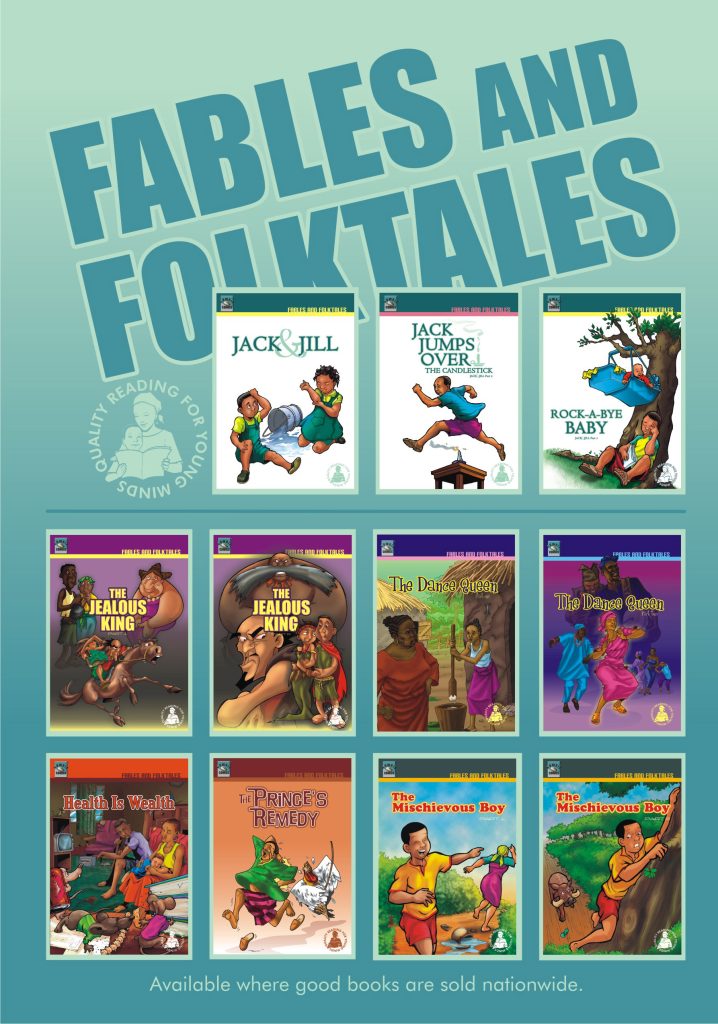
In Nigeria, May is the month most school kids look forward to with great anticipation and excitement. It is a month kids are celebrated in a very special way. During this period, governments at all levels, brands, religious groups, and different stakeholders across the country consciously placed issues affecting children on the front burner. Kids are always acknowledged as leaders of tomorrow. The ultimate day for the mega celebration of Children’s Day is usually May 27th.
Many brands in Nigeria actively celebrate this period with a variety of events and activities. These often include free events with games, food, and entertainment for young people and their families, as well as school visits and partnerships.
Virtually every year, brands like Golden Penny, CWAY, Peak Milk, Twisco, and Loya Milk , among many others, organize activities, such as contests, giveaways, and special offers, to make the celebration of Children’s Day memorable for kids.
This year, The Golden Penny Children’s Day Fest 2.0 is taking place in Lagos, Enugu, Ibadan, and Abuja. There are indicators that brands like Eazzymart and MTN Nigeria will not be left behind in celebrating kids this month of May with various initiatives. The Indomie Fan Club (IFC), one of Nigeria’s largest children-focused platforms, celebrated a major milestone – its 20th anniversary! The event was a colourful, energetic, and heartfelt celebration themed “A Journey of Love: Friendship Through the Years Built on Love”, which spotlighted twenty years of nurturing young minds through fun, learning, and building genuine connections. Naturally, it was celebrated in the month of May. Many Other brands hosted similar events this month of May, to celebrate our children.
Most observers will readily agree that organising parties for children over the years has not made any indelible impact on the lives of our kids. Indeed it has equally failed to provide that magic wand needed to tackle various challenges confronting children and their families. Will it not make sense for a brand that desires to make a lasting impact to identify areas that would yield remarkable results in our communities
Apart from the problem of over 30 million out-of-school kids that can best be tackled by governments at different levels, the abysmally poor reading culture in Nigeria starting from Childhood, is one area brands and individuals should get actively involved. Using this celebration can be a good launching pad. Various attempts to re-adjust the clock on this issue have yielded little or no success. While at the helm, former President Goodluck Jonathan piloted the Bring Back The Book campaign in 2010 which got the prompt endorsement of many Nollywood stars and literary luminaries.
But 15 years after this nationwide campaign, it is yet to be seen if these efforts, or the ones that followed, did anything positive to alter the ugly literary culture, especially among the youth. With an unacceptable level of performance especially in English and Mathematics in most post-secondary examinations like the ones organized by the West African Examinations Council (WAEC), the awful state of the nation’s reading culture should disturb both parents and all stakeholders alike.
Many Observers are of the view that recourse to comics as a story-telling medium could have a potpourri of socio-economic benefits for the nation. On one hand, the inclusion of comics in Nigeria’s literature could go a long way in promoting children’s literacy in the country. The infusion of satire and entertainment into story-telling is quite attractive and makes information flow and passion for reading seamlessly possible. Imagine capturing major historical issues using comic strips. Imagine telling the story of our sports and national heroes with the aid of comics. The blend of satire with the original narrative through comic strips could endear the narrative to young readers. Imagine the multiple levels of impact any brand that follows this path will have on our kids and society.

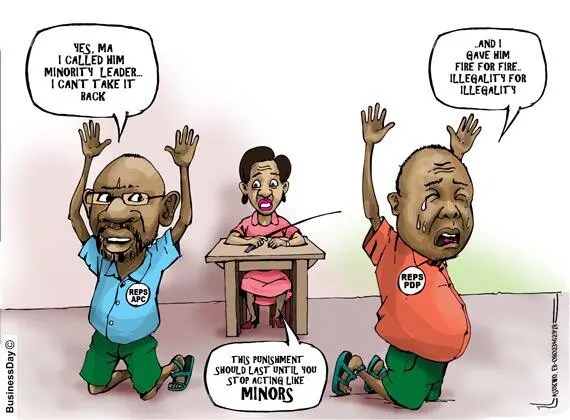
Some decades ago, comics were pretty popular in the country and the reading culture was not this terrible. Bode, now 40, still nurses a deep nostalgia for visiting filling stations in Lagos, Nigeria’s commercial centre. That passion developed while he was only eleven. As a kid, each trip to Texaco fuel stations with his young uncle meant he would return home with stacks of Super Strikas comic strips stuck in his arms. This was very heart-warming for the kid.
His experience closely mirrors that of Sule. As a pupil in Benin, he grew immensely fanatical with comic strip magazines. Sule recalled he had to smuggle heaps of comic magazines into his school bag while he headed for school. “At school, many pupils would besiege my desk during break-time like a swarm of bees. With time, and as a lover of visual arts, I started to draw some of the characters. I also recall how I once sold one of my drawings in exchange for biscuits. It was satisfying as a kid,” he recollected.
But some decades later, most of these comic titles seem to have disappeared from the scene in Nigeria. Aside from no-action character depictions – such as Indomitables found inside the wraps of Indomie noodles at some points – many comic strips, have been gradually phased out within the last few years. On a larger scale, the shift to digital animations seems to have spurred the curious disappearance of this entertainment genre. The aggressive rise in the release of animated movies, mostly foreign ones, affected the attention of comic strip enthusiasts. It was a rapid shift from the print strips to the visuals. It is not surprising that many kids would rather stay glued to their television screens or iPads, feeding their eyes with foreign adventures and stories.
Interestingly, comics can still generate huge income and employment opportunities for the rising army of jobless youths in the country. Several global facts attest to the creative capacity of the sector to stimulate Nigeria’s struggling economy. The domestic sales of comics and graphic novels in America alone rose to an astonishing height even in 2020. The film adaptation of the various strips seems to have been responsible for this rise in fortune. Capital investments in animated comics could open a floodgate of opportunities for Nigeria, especially as the 3D Animation market grows remarkably.
There was a time, some years ago when comics and their associated substructures tried a comeback in Nigeria. A group of creators, publishers, cartoonists, writers, and colourists gathered in Lagos to set fresh agenda for the future of the sector. The programme was tagged Lagos Comic Con. With the Country Business Manager of Strika Entertainment Nigeria Ltd, Joyce Olagesin. It seems their efforts did not yield the desired result.
With the hindsight of the digital revolution, brands, and energetic Nigerian youths could begin to look in the direction of using technology to stimulate this sector. The impact on Kid consumers would be huge. Studies have shown that Childhood is a critical stage of development that forms the foundation of every kid’s future, well-being, and learning. Whatever the child comes in contact with at the early stage of life has a lifetime effect on his/her intellectual capacity, personality, and social character.
Research has shown that the number of comic lovers in the country remains quite encouraging, a positive development for brands and individuals who may seek to tap the wealth of opportunities offered by the sector. But the disappearance of a lot of graphic literature seems to have numbed this passion. It would be interesting to witness animated comics and even films that truly reflect Nigerian culture. Instead of the obsession with Tom and Jerry, Nigerian kids could be exposed to comics and animated cartoons that tell the real Nigerian story. Inspiring and compelling narratives from this can showcase the Nigerian story in a very positive way.
With growing confidence in the depth of stories and production, brands and producers can begin to focus on comics and 3D animations, weaving compelling stories around the Nigerian people. Such stories will have to mirror our daily nuances, adventures, aspirations, inanities, and intricacies. If we look deeply, there’s much to be gleaned from this goldmine that seems to have been forgotten by brands and other stakeholders.
