

This is not culture.

Gen Z is not a culture.
Youth is not a culture.
Music is not a culture.
Fashion is not a culture.
Social media is not a culture.
Streetwear is not a culture.
TikTok is not a culture
These are audiences. They are markets. They are platforms. Useful, but not the thing itself.
This Is Culture
Culture is the meaning people make together.
It’s the rituals they practice, the codes they share, the signals they send to each other to say we belong.
It’s Afropop moving from Lagos to London, reshaped by every city it touches.
It’s K-drama shifting how millions think about beauty, romance, even food.
It’s sneaker drops turned into pilgrimage events, not because of the shoes, but because of the story they carry.
Culture is not a category on a slide. It is the operating system of belonging and meaning that gives strategies relevance and markets soul
Belonging, Everywhere, All at Once
The night air in Lagos was heavy with humidity and sound. A thousand bodies moved together on an open field, the earth already stamped flat by hours of dancing. The DJ hunched over his box, one ear cupped by headphones, fingers flicking across knobs like he’d done this a thousand times. The speakers loomed above, shaking out bass that rattled ribs and pulled people forward.
Then Naira Marley’s “I’m Coming” dropped. The bassline thumped through the crowd, the talking drums slicing sharp against the chatter of clinking bottles and cocktail glasses. Instantly, the mood flipped. Women in bright prints and flowing skirts slid into shuffles. Men in denim pounded sneakers against the floor in syncopated bursts. Hands shot up, shoulders rolled, hips caught the rhythm like a wave. Circles formed, bold dancers stepped in, their bodies translating sound into pure spectacle while the crowd roared and lifted drinks.
The DJ didn’t look up, lost in his mix, one hand on the fader, the other already pulling the next record. Another track hit and the crowd pressed closer. Every move carried memory…steps learned from siblings, patterns lifted from street corners, gestures that belonged to no one yet somehow belonged to everyone.
We rarely stop to ask a simple but unsettling question: what animates culture?
We talk about it daily in marketing meetings, on social media, and in boardrooms. Culture becomes a buzzword, a lever, a KPI. Yet if culture truly moves billions of people, shaping what they wear, what they eat, how they vote, and even how they dream, then it is doing more than acting like data points. It is animating human life. Which brings us to the provocation: does culture have a soul?
Think about it. A body without a soul is just matter. A campaign without culture is just media spend. And a market without culture is just empty numbers. The real difference between brands that stick and those that collapse is whether they tap into the animating force behind people’s choices. That animating force is culture. The question we explore here is whether culture behaves like a soul – invisible but decisive, intangible but undeniable.
What Culture Really Is, and Isn’t
Before answering, we need to strip culture of the clichés it’s trapped in. Too often, marketers and entrepreneurs confuse culture with three things:
Target audiences (“Gen Z culture,” “youth culture”)
Trends (whatever’s viral on TikTok this week)
Lifestyle segmentation (music tribes, fashion subcultures, consumer hobbies)
These are fragments of culture, but not the whole picture. Culture is not simply a label we slap on to group behavior. It is a system of meaning. It is how groups of people make sense of themselves, their world, and their future.
Put plainly: culture is the shared memory, language, rituals, and symbols that allow people to feel part of something larger than themselves. That is why it is so powerful. Markets shift because culture shifts. Consumer behavior changes because cultural codes change. When brands reduce culture to “youth audiences” or “social trends,” they miss the deeper force at work.
The Four Functions of Culture as a Soul
If we take the metaphor seriously, what would make culture “a soul”? Four dimensions make the analogy useful.
Identity
Culture provides belonging. It is what allows someone to say, “I am part of this.” Afropop is not just music; it is a passport of identity for millions across Africa and the diaspora. K-pop is not just entertainment; it gives fans a sense of self anchored in a global movement. Culture, like a soul, answers the question: who am I in relation to others?
Memory
Culture carries history. It encodes past struggles, victories, and lessons into symbols and rituals. National holidays, fashion revivals, protest chants — all are reminders that culture remembers. Brands that miss this dimension often stumble. Think of international companies that roll out tone-deaf campaigns ignoring colonial legacies or religious codes. Culture, like a soul, does not forget.
Energy / Animation
Culture sets things in motion. It animates behavior. It explains why a sneaker drop has people camping overnight or why a Netflix series triggers global memes within hours. Culture translates meaning into momentum. Without it, even the most technically brilliant product sits still. Like a soul animating the body, culture animates markets.
Intangibility / Power
Culture is hard to measure yet impossible to ignore. You cannot hold it, but you feel it. Politicians chase it. Brands pay to borrow it. Algorithms amplify it. It is invisible infrastructure, silently shaping preferences and decisions. Like a soul, culture exerts disproportionate influence compared to its visibility.
Culture vs. Market vs. Audience
This is where confusion derails strategy. Marketers often collapse culture into audiences or markets. “We’re targeting Gen Z” becomes shorthand for culture. But Gen Z is not a culture; it is a demographic category. Within it, there are multiple cultures: gamers, activists, fashion collectors, hustlers – each animated by distinct codes.
Similarly, markets are not culture. A market is a transaction system. It tells you how much demand exists for your product. Culture tells you whether people feel your product belongs in their lives. One is transactional. The other is existential.
This is why so many startups fail even after achieving product–market fit. They found demand, but they did not find cultural belonging. They optimized funnels, but they did not animate meaning. They spoke to wallets, not to worlds.
Case Studies: When Culture Shows Its Soul
Let’s bring this down to lived examples.
1. Afropop as Global Soul
Afropop is no longer just a Nigerian export; it is a global cultural force. The success of Burna Boy or Tems is not just about catchy beats. It is about a cultural soul that blends identity (African pride), memory (ancestral rhythms, postcolonial voices), energy (dance floors from Lagos to London), and intangibility (a vibe that cannot be faked). Brands that have tapped into Afropop’s soul — from fashion collaborations to global festival sponsorships — are not just chasing hits. They are aligning with a cultural identity that gives them relevance across continents.
2. Liquid Death and Counterculture
On paper, Liquid Death sells water. Nothing new. But the brand didn’t market hydration. It marketed identity. It plugged into the soul of counterculture: punk music, gaming, extreme sports, irreverence. Its skull logo and “murder your thirst” slogan carried memory of rebellious genres, energy of underground movements, and the intangible appeal of anti-establishment cool. This was not about product–market fit. It was about product–culture ignition.
3. Iceland Tourism: Branding the Soul of a Place
Tourism campaigns often rely on scenery. Iceland flipped the script. Its “Inspired by Iceland” campaign invited visitors to scream into the void, to experience catharsis in nature. What it sold was not landscapes but soulfulness — the feeling of cleansing, rebirth, and connection. It treated tourism as a cultural experience, and not a transactional one. That shift transformed Iceland into one of the world’s most iconic destination brands.
Strategic Implications for Brands
If culture indeed behaves like a soul, then most brand strategies are dangerously shallow. Too often, campaigns are built as if culture were a data set — measurable, predictable, and easy to slot into frameworks. But culture resists neat categorization. It is lived, messy, contested, and alive.
What does this mean strategically?
Don’t target culture. Co-create with it. Culture cannot be bought wholesale. It must be engaged, respected, and contributed to.
Look for the animating force. Don’t just ask what people buy; ask what makes them move. What rituals, codes, and symbols give their choices life?
Respect memory. Brands that erase or ignore cultural history lose credibility. Every culture carries scars and stories that must be acknowledged.
Design for identity, not just transaction. The most enduring brands become badges of belonging. Nike is not just sportswear. It is identity. Apple is not just hardware. It is tribe.
The mistake to avoid: reducing culture to a trend report. The opportunity: treating culture as a soul you align with, not a variable you manipulate.
Conclusion: The Soul Question
So, does culture have a soul? Strictly speaking, no. Culture is not a metaphysical essence. But if we look at how it functions — how it gives people identity, carries memory, animates energy, and exerts invisible power — the metaphor is precise enough to be useful.
For brands, the takeaway is not to debate metaphysics but to shift practice. Stop reducing culture to demographics. Stop treating audiences as culture. Start recognizing culture as the animating force that gives markets life.
Because without culture, a campaign is just media spend. A product is just an object. And a market is just empty numbers. With culture, they gain momentum, meaning, and memory. That is as close to a soul as strategy will ever get.
So the next time you plan a launch, ask not only: does my product fit the market? Ask also: does it fit the culture? Because culture, like a soul, is what makes the difference between a brand that exists and a brand that matters.
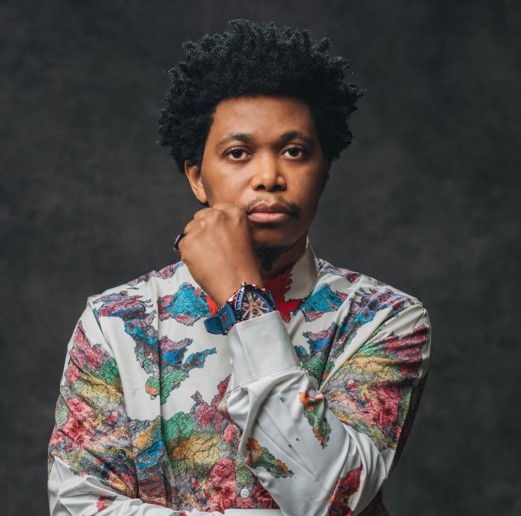
Franklin Ozekhome is a Pop Culture Expert, and the EVP, Strategy & Innovation at Chain Reactions Africa.
