


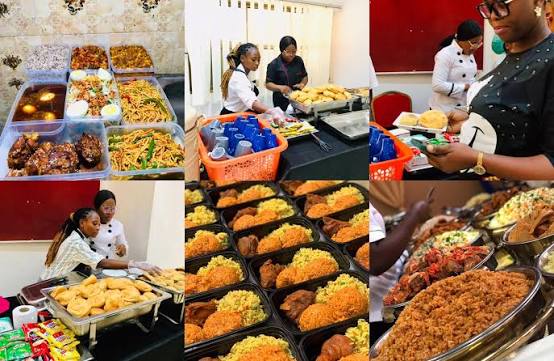

Nigeria’s food service industry has grown to an estimated $11.09 billion in 2025, showing strong resilience despite the country’s economic challenges. The growth has been largely driven by rising consumer demand for food and increased use of digital payment systems.
This was revealed in a new case study by Moniepoint, which said digital payments have transformed the industry by helping food businesses process transactions faster, expand their customer base and improve service delivery.

According to the report, food vendors are usually among the first businesses to open in newly developing communities across cities such as Lagos, Abuja and Enugu. They often set up alongside pharmacies and Point of Sale (POS) operators to meet the daily needs of residents.
The report also noted that many food business owners run more than one business at the same time, highlighting the flexibility of Nigeria’s informal economy. This has helped many entrepreneurs survive difficult economic conditions while adopting new technologies to improve their operations.
Over the past 40 years, Nigeria’s food service industry has changed from mainly cash-based roadside food vendors to a modern ecosystem that includes quick-service restaurants, online food delivery platforms and cloud kitchens that operate without physical dining spaces.
Moniepoint said the widespread adoption of real-time digital payments has played a major role in this transformation by making transactions easier for both businesses and customers.
The report also estimated that Nigeria’s online food delivery market was worth $1.04 billion in 2024, providing restaurants with additional sources of income beyond customers who dine in.
Moniepoint said its payment platform offers valuable insights into changing consumer spending patterns across the food industry. According to the company, food and beverage businesses are the second-largest group of merchants using its platform, behind retail businesses.
Its payment terminals are used by a wide range of food businesses, including major fast-food chains, local “bukkas,” fine dining restaurants, bakeries and late-night food vendors.
The company said its transaction data reflects the diversity of Nigeria’s food industry, from customers buying birthday cakes during the day to late-night noodle purchases around entertainment centres.
The report added that reliable payment systems have become an important advantage for food businesses. As more customers prefer fast and seamless digital payments, businesses with efficient payment solutions are more likely to attract and retain customers.
Moniepoint also noted that the food service industry has continued to grow despite major economic events such as oil booms, economic recessions and Nigeria’s gradual shift to a cashless economy. Although the cashless policy initially created payment challenges, improvements in digital financial services have helped businesses continue operating during periods of cash shortages.
According to the report, Nigeria’s food service industry has grown from small local food vendors into a multi-billion-dollar sector supported by more than 800 quick-service restaurant outlets across the country and an expanding digital commerce ecosystem.