
FITC Conference 2026: Beyond Climate Finance, Africa Must Fund Its Own Green Future, CBN’s Deputy Governor Says

When heavy floods swept through parts of Lagos and other coastal cities in West Africa this year, they did more than disrupt transportation and destroy homes. They reinforced what climate scientists and policymakers have warned for years: climate change is no longer a distant environmental concern. It is already affecting economies, financial systems and livelihoods across the continent.
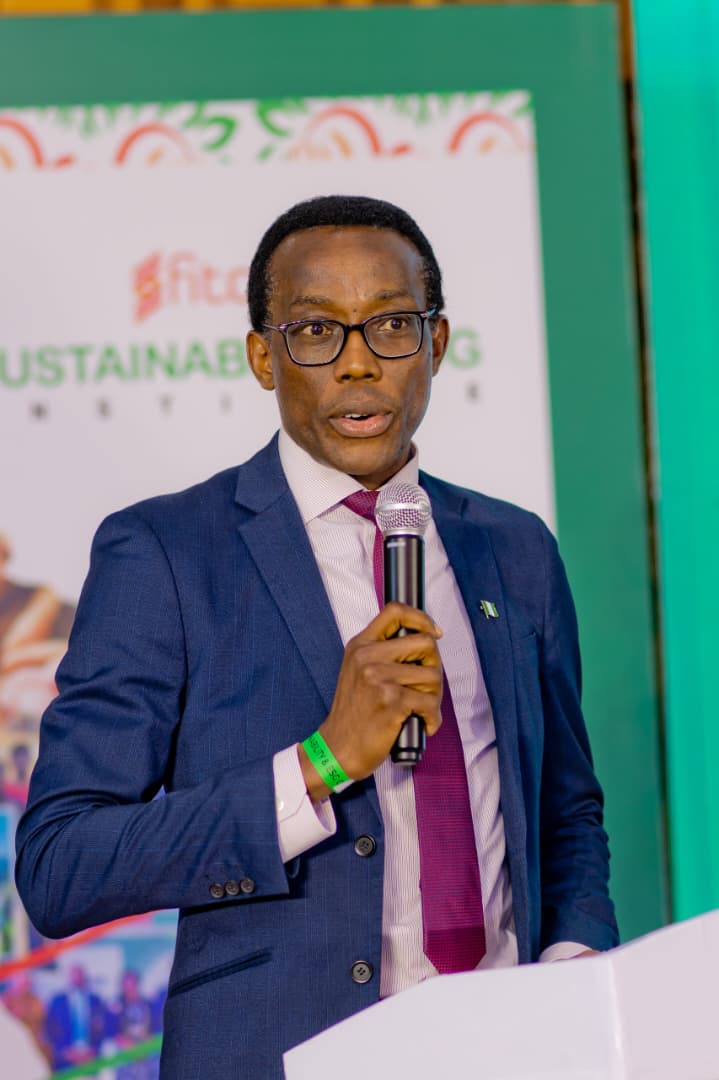
It was against this backdrop that the Deputy Governor, Economic Policy, Central Bank of Nigeria (CBN), Mr. Philip C. Ikeazor, delivered a goodwill message at the 2026 FITC Sustainability & ESG Conference held at the Lagos Oriental Hotel, Victoria Island, Lagos. Speaking at the conference themed Building a Sustainable Africa: Integrating Environmental Stewardship, Social Investment, and Strong Governance for a Prosperous Future, Ikeazor argued that Africa’s response to climate change must move beyond environmental commitments to building financial systems capable of funding the continent’s own green transition.

According to him, climate action is no longer simply an environmental responsibility but an economic imperative that requires stronger domestic financing, greater collaboration and sustained investment.


“Climate action in Africa is an emergency,” he said. Ikeazor’s remarks come as climate risks continue to intensify across the continent. According to the World Meteorological Organization’s State of the Climate in Africa 2025 report, Africa is warming faster than many expected and is experiencing some of its most severe climate impacts in more than a decade. Rising temperatures, prolonged droughts, coastal erosion and increasingly destructive floods are placing growing pressure on agriculture, infrastructure and public finances.
Although Africa contributes only a small share of global greenhouse gas emissions, it continues to bear a disproportionate share of the consequences. Recent flooding across several West African coastal cities, Ikeazor noted, illustrates that climate-related risks are no longer future projections but present economic realities.
“The increasing incidences of climate events in Africa highlight the need for stronger climate adaptation, resilient infrastructure, and sustainable development strategies,” he said.
According to Ikeazor, conversations around climate change often focus on environmental protection without paying enough attention to the financial mechanisms required to support meaningful action.
While acknowledging that African countries have made progress in accessing climate finance through initiatives such as the Africa Carbon Market Initiative, the Africa Green Hydrogen Alliance, the Africa Climate Risk Insurance Facility for Adaptation and the Green Climate Fund, he maintained that available funding remains far below what the continent requires.
Quoting figures from the Climate Policy Initiative’s 2024 report, Ikeazor noted that climate finance flowing into Africa increased by more than 48 per cent between 2019 and 2022.
Despite that progress, he said, the financing gap remains significant.
“The funding gap remains significant. Urgent innovative solutions are required to unlock the continent’s vast potential for both climate action and sustainable development.”
For Ikeazor, bridging that gap will require governments, financial institutions and private investors to integrate Environmental, Social and Governance (ESG) principles into business decisions and institutional frameworks while strengthening public-private collaboration.
He argued that Africa’s financial institutions have a particularly important role to play.
“Our financial institutions must incorporate climate and green considerations into their operational models,” he said.
According to him, banks can no longer assess risk using only traditional financial indicators. Climate-related risks such as flooding, environmental degradation and changing regulatory standards now directly influence lending decisions, investment portfolios and long-term financial stability.


“A balanced approach to profit versus environmental gains is required to support a low-carbon economy while generating both financial returns and positive environmental outcomes.”
He identified green bonds, sustainability-linked loans and green equity investments as financing instruments capable of accelerating Africa’s transition towards cleaner and more resilient economies by directing capital into renewable energy, waste management and climate adaptation projects.
Despite these opportunities, however, Ikeazor observed that Africa continues to trail other regions in green finance development.
Citing data from the International Institute of Green Finance, he said Africa scored 47.1 points on the Global Green Finance Development Index, making it the second-lowest performing region globally. Europe recorded the highest score at 63.6 points, while Nigeria scored fewer than 35 points, ranking 45th among the world’s 55 largest economies.
“This means that Nigeria is currently one of the countries dragging everyone behind,” he observed.
Even so, Ikeazor said Nigeria has begun taking steps to improve its position.
He pointed to the country’s green financing strategy, which seeks to support Nigeria’s commitment to achieving net-zero emissions by 2060 through sovereign green bonds, the National Climate Change Fund and strategic public-private partnerships designed to mobilise local capital and bridge an estimated US$171 billion climate financing gap.

While recognising the importance of international climate finance, Ikeazor maintained that external funding alone cannot drive Africa’s sustainability ambitions.
He noted that multilateral climate funds account for less than two per cent of Africa’s total climate finance, while stringent funding conditions often prevent many viable projects from accessing available resources.
“While it is highly beneficial to leverage global climate funding for Africa, stakeholders must look inwards in mobilising capital and fostering a collective commitment toward a greener and more resilient economy,” he said.
Closing his remarks, Ikeazor described the conference as an opportunity for policymakers, financial institutions and development partners to move beyond conversations towards practical solutions capable of strengthening Africa’s economic resilience.
He urged participants to develop innovative financing models, strengthen governance frameworks and deepen partnerships that will support the continent’s long-term sustainability goals.
