
Food & Beverages Workers Ask Reps To Withhold Soft Drinks Levy Bill, Warn Of Job Losses

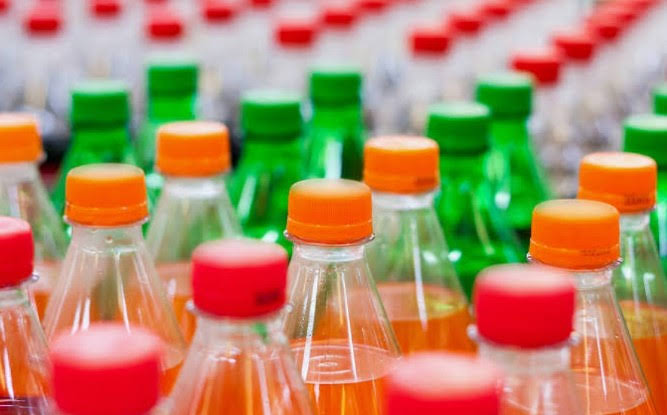
The National Union of Food, Beverage and Tobacco Employees (NUFBTE) has asked the House of Representatives to reject a bill that would change how soft drinks are taxed, warning that it could lead to factory closures and job losses.

In an open letter to Nigerias’s House of Reps Speaker, Tajudeen Abbas, which was signed by the union’s President, Garba Dankama, the union urged the House to withhold concurrence on the Customs, Excise Tariff, etc (Consolidation) Act (Amendment) Bill, 2025. The Senate passed the bill at third reading on June 4, 2026, and awaits the House’s concurrence. It has however not been passed into law.
The bill would replace the current excise duty of N10 per litre on sugar-sweetened beverages with a levy, based on a percentage of retail prices. The Minister of Finance would set the levy percentage rate. Part of the revenue garnered from the levy is expected to go to public health programmes, including disease prevention, health promotion and primary healthcare, and to health insurance for vulnerable Nigerians. Senator Ipalibo Banigo was the sponsor of the bill.

NUFBTE’s Dankama said manufacturers are already struggling with high borrowing costs, rising energy, transport expenses, foreign exchange shortages and weaker consumer spending, and that some production lines have been scaled back or shut down. He warned that the non-alcoholic drinks sector, which supports hundreds of thousands of jobs in farming, haulage, distribution and retail, cannot take a higher tax without “a wave of further closures, retrenchments, and value chain collapse.”
He also questioned the health case for the levy, saying soft drinks make up only about 5 per cent of the sugar Nigerians consume. He argued that a higher tax would push buyers toward cheaper, unregulated products while threatening the jobs of more than a million people along the industry’s supply chain.
The union president added that workers’ pay has not kept up with higher transport, food and housing costs since the removal of the fuel subsidy and the foreign exchange reforms.
The proposal has drawn opposition from business groups. The Centre for the Promotion of Private Enterprise has also asked the House to reject the bill. The Manufacturers Association of Nigeria, the Nigeria Employers’ Consultative Association and the Abuja Chamber of Commerce and Industry have raised concerns that a percentage-based tax could raise production costs and discourage investment.
Supporters see it differently. The Senate said inflation has eroded the flat N10 charge, so it no longer discourages heavy sugar consumption or raises enough revenue. A civil society group, the Corporate Accountability and Public Participation Africa, welcomed the bill and urged the House to concur quickly.
The bill is aimed at curbing the prevalence of diseases such as diabetes, obesity and hypertension. The Federal Ministry of Health revealed that about 8 per cent of Nigerians, roughly 18 million people, live with diabetes.
