


The 2023 Ramadan fast began last Thursday, March 23, 2023, in Nigeria and most other parts of the Muslim world.
This yearly activity of fasting and prayers always begins with the official announcement by the Sultanate Council in Sokoto that the moon has been sighted in some Nigerian cities and towns.
But the fast cannot really begin until the reports are duly scrutinized, verified, and authenticated by the national moon sighting committee.
Thereafter, the Sultan of Sokoto and President-General of the Supreme Council for Islamic Affairs in Nigeria and the Jama’atu Nasril Islam, can now direct Muslims to proceed with the holy month as they rededicate themselves to the teachings of Islam.
In Nigeria, Muslims constitute a great percentage of the over 200 million citizens and residents in the country. This makes the 30-day Ramadan period and the celebrations at the end a huge space or window any visionary marketer can exploit. It equally offers a multitude of opportunities for brands to leverage. Just like Christmas, Ramadan comes once a year but it lasts for an entire month. While brands have exploited the Christmas and New Year marketing window quite effectively, the huge opportunity in Ramadan literarily begs for exploitation on a yearly basis.
Over the years in Nigeria, the common marketing communication approach by marketers is wishing their Moslem customers a happy and blessed Ramadan at the beginning of the season, and the same for Eid-al-Fitr, at the end of the period. Few players, mostly FMCGs companies such as Nestle, Cadbury, FrieslandCampina, and Unilever have taken some extra steps to key into the season through commercials and activations.
For instance, Nestle Nigeria launched a digital campaign in 2020 called “Share Your Goodness” that encouraged Muslims to share acts of kindness and compassion during Ramadan. The campaign highlighted Nestle products that could be used to prepare meals and snacks for iftar, the meal taken after sunset to break the fast.
Similarly, Peak Milk has in the past launched campaigns that promote good health during Ramadan. For instance, the brand launched a campaign called “Nourishing Goodness” in 2019 that emphasized the importance of drinking milk during the fasting period to ensure adequate nutrition. In the last two years, these brands have sustained similar campaigns.
Last year Peak sustained the message of love, giving, and sharing among Muslims across Nigeria, while emphasizing the importance of milk nourishment at breakfast (Sahur) and at the breaking of fast (Iftar). It was tagged ‘Peak Ramadan’.
Last year as well, CHI also ran a Ramadan communication campaign tagged “Let the Blessings flow from Sahur to Iftar” and “We’re with You Every Step of the Way”.
Still, in 2022, Malta Guinness also re-introduced its Special-Edition Ramadan Cans and embarked on a series of activities in selected cities to celebrate the holy month of Ramadan in a campaign titled ‘Share Goodness This Season’.
This year, in line with the Coca-Cola Nigeria Ramadan campaign, titled; “This Ramadan, sharing makes us one” the brand will be giving out Ramadan packages comprising a specially curated gift box, one month’s supply of Coca-Cola Zero Sugar, and groceries to make a good Iftar.

But there are still several opportunities brands can harness in the spiritual month. As marketers are cutting down on marketing budgets and tilting their attention to brand engagement, they can run many multicultural content campaigns such as recipe/cooking contests, Islamic fashion contests, fairs/exhibitions, quiz, Quranic recitation competitions, and photo exhibitions that are likely to get the attention of a huge number of Muslim consumers. In many countries with a huge Muslim population, these approaches are taking over.
Marketers also have the option of launching campaigns that can educate the masses of the Muslim folks as their concentration and level-headedness are at its peak at this period. Collaborative campaigns with local philanthropists can also help brands enhance their reputation.
In other climes. a lot of businesses connect with Muslim consumers and offer products and services tailored to their needs during this period.
One dominant field is the food and beverage industry, which has traditionally been one of the most active sectors during Ramadan. Many food companies offer special Ramadan-themed products, such as dates, juices, and other traditional foods, which are often packaged and marketed specifically for the holy month. Indeed, many top-flight eateries, restaurants, and cafes offer special Iftar menus and Ramadan-themed promotions to attract Muslim customers.
Another example is the fashion industry, which often launches special collections and discounts for the month of Ramadan. Many brands offer modest clothing and accessories, which are particularly popular during this period when Muslims typically dress more conservatively. Additionally, some beauty and personal care brands have also launched Ramadan-themed products, such as fragrances and skincare lines.
In recent years, digital marketing has also become an increasingly important tool for brands to reach Muslim consumers during Ramadan. Social media platforms, such as Instagram and Twitter, have become popular platforms for brands to promote their Ramadan-themed products and services. Some brands have even created interactive Ramadan-themed campaigns, such as online quizzes and contests, to engage consumers during this period.
Obviously, these and several other ways are available for brands in Nigeria to further utilize the Ramadan marketing window. Another way is for food brands to diversify into the growing demand for halal-certified products, particularly in the food industry. Interested brands can seek to cater to this market by offering more halal options, and promoting them during Ramadan.
Ramadan is also an ideal time for cause marketing or corporate social responsibility (CSR) due to the heightened emphasis on giving back. Cause marketing has become common practice for established brands and startups alike, particularly in today’s collaborative economy.
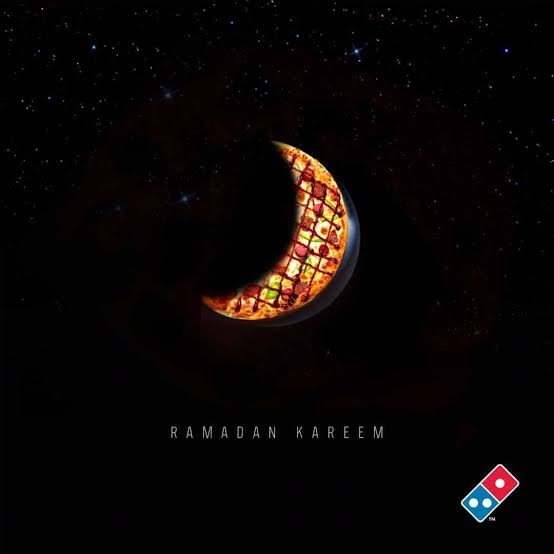
In this new era of social responsibility, cause marketing is now the norm, and customers who visit a company’s website and see the massive advertising blitz on television would be touched if they realise that they are trying to make the world a better place by supporting an important cause. Service brands can focus on promoting sustainability and ethical practices, which are important values for many Muslim consumers. Brands can even explore these new approaches and engage with Muslim consumers digitally. This will mean a lot to many true Moslems who can reward the brands with loyalty, patronage, and goodwill.
If there are so many benefits, why are brands in Nigeria so conservative in exploiting the Ramadan window?
Commenting on this lethargy many months ago, Tunde Tani, MD/ CEO of Explicit Communication feels many brands are cautious since Nigeria is a secular state and religion plays a key role in the lives of most consumers. “No brand wants to start battling with any- reputation issue after any campaign, besides some actions might also have to do with some organizational policies” Tani explained.
With the Agege bread issue involving a popular Nigerian bank still fresh in most minds, the fear of an unexpected crisis management campaign might be compelling brands to show extreme caution, especially when it involves a group that is fiercely passionate about worship. It seems until brands identify a seamless pathway to connect with Muslim consumers during and after Ramadan, the under-utilization of this marketing window will remain for a pretty long time.