


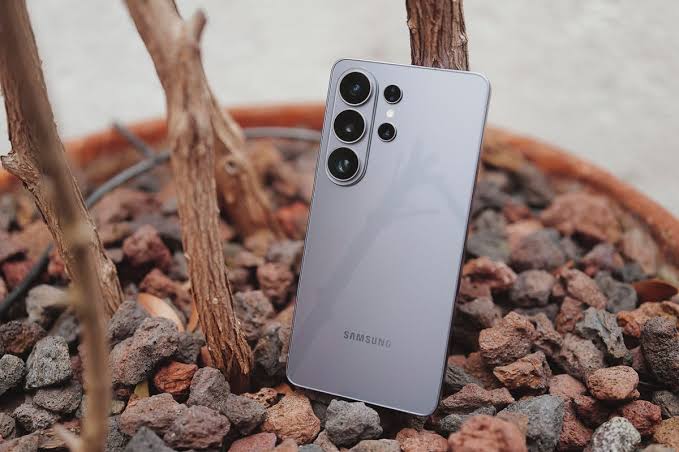
Samsung has reclaimed its position as the world’s largest smartphone maker, overtaking Apple in global shipments even as the industry recorded its weakest second-quarter performance in 13 years, according to preliminary estimates released by Counterpoint Research.

Global smartphone shipments declined 11 percent year-on-year in the second quarter of 2026, marking the lowest April-to-June shipment levels since 2013. The downturn was driven largely by a prolonged shortage of DRAM and NAND memory chips, which has pushed manufacturing costs higher as chipmakers redirect production capacity toward artificial intelligence data centres instead of consumer electronics.
Despite the industry-wide slump, Samsung captured a 24 percent share of the global smartphone market, reclaiming the top spot it had ceded to Apple in the first quarter, when the American firm led with 21 percent against Samsung’s 20 percent. The South Korean company’s gains were fuelled by strong demand for its Galaxy S26 series, improved product availability, and relatively modest price increases in key markets such as India and the Middle East. The Galaxy S26 Ultra, in particular, emerged as a standout performer.

Apple was not far behind, growing shipments by 3 percent year-on-year to a record 20 percent market share. The company was notably the only major smartphone maker to avoid raising prices during the industry-wide cost crunch, with the iPhone 17 series remaining the world’s best-selling smartphone lineup, even though it continues to struggle in China.
Other major brands fared worse. Xiaomi, OPPO, and vivo all posted double-digit shipment declines, as rising memory costs hit their budget and mid-range devices hardest, segments that operate on thin margins and are least able to absorb higher costs.
Counterpoint Research expects the memory shortage to persist into 2027 and has maintained its forecast that global smartphone shipments will decline by about 14 percent for the full year. The firm believes budget smartphones will continue to bear the brunt of the downturn, as manufacturers increasingly shift focus toward higher-margin premium devices.
For consumers, particularly in emerging markets where demand for entry-level devices has traditionally been strongest, the trend points to fewer affordable smartphone options and higher retail prices in the months ahead, as the ripple effects of the global AI boom continue to reshape the consumer electronics market.
