
Nigeria’s advertising industry loves to talk about bold ideas. Brands want campaigns that break through the noise, agencies want creative freedom, and everyone wants work that can win awards, trend online and get people talking. But let an idea challenge the usual approach, demand a bigger budget or make a client uncomfortable, and suddenly, boldness becomes a difficult sell.
The industry wants the big idea, but does it want everything that comes with it?
Behind every campaign that reaches the public is a series of decisions involving money, risk, creative ownership, media strategy and regulatory approval. An idea that begins with ambition in the creative room may face a different reality at the client meeting or budget stage. It may emerge stronger, or lose the very thing that made it distinctive.
So, if Nigeria has the talent, stories and cultural influence to produce outstanding creative work, what is stopping the industry from getting more of it into the market? And who must take responsibility?

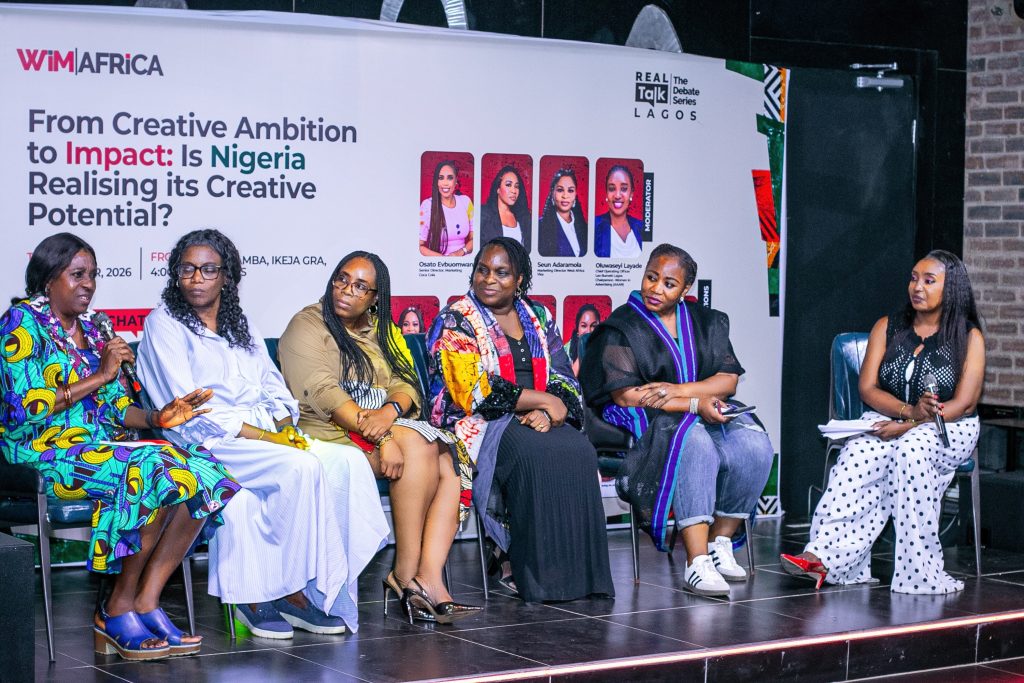
These questions shaped the WiM Africa Lagos edition of the Real Talk Debate Series, organised in collaboration with Women in Advertising (WIA) and Kantar. Bringing together voices from the client, agency, media and creative sides of the industry, the debate examined the theme, “From Creative Ambition to Impact: Is Nigeria Realising Its Creative Potential?”
For Osato Evbuomwan, Senior Director, Marketing, Coca-Cola, the conversation must begin with the business realities clients face.
She argued that agencies need to understand more than the creative brief. They must also appreciate the commercial objectives behind a campaign and demonstrate how their recommendations can contribute to business performance.
“Whether you like it or not, I as a client, am being held accountable to deliver the return on every single dollar I spent,” she said.
Her point reflects the pressure marketers face when defending advertising expenditure. A campaign may attract attention, but clients must also account for the investment. This makes it important for agencies to connect creative recommendations to the business problems they are expected to solve.
Evbuomwan also highlighted the complexities of working with global brands such as Coca-Cola, where brand guidelines influenced by the company’s global organisation in Atlanta must be considered alongside Nigeria’s regulatory requirements.
However, accountability does not have to come at the expense of ambition. Fiona Uwagwu, Managing Director, Ogilvy Nigeria, argued that clients can help agencies produce stronger work by setting clear, ambitious expectations and involving their partners in the process.
Drawing from her experience with Coca-Cola’s annual briefs, Uwagwu recalled how creative, media, public relations and activation agencies were brought together for days of briefings and workshops. Rather than working in isolation, the teams developed a shared understanding of the campaign and what they were expected to achieve.
She also recalled working with Colgate in the United Kingdom, where the client’s marketing director openly expressed an ambition to win at Cannes. For Uwagwu, that clarity gave the agency a tangible creative goal.
The examples showed that the responsibility for ambitious work does not rest with agencies alone. Clients also shape what becomes possible through the quality of their briefs and their willingness to support the ideas they ask agencies to develop.
Brenda Nwagwu, President of the Media Independent Practitioners Association of Nigeria (MIPAN), extended the conversation to the role of media partners. She stressed that they should be involved early, before briefs and budgets are finalised.
She shared an example of a client that brought its creative, marketing communications and client teams together at the planning stage. Such collaboration, she explained, allows different stakeholders to contribute their knowledge before major decisions have been made.
Nwagwu also emphasised the importance of data and evidence in campaign planning, with the customer remaining central to decisions about how and where a message is delivered.
But even when the right stakeholders are involved, another question remains: who gets to originate the ideas being sold to the world?
Esosa Osagiede, Group Creative Director, Insight Publicis, challenged the industry to pay closer attention to the ownership of Nigerian creative ideas and stories.
She questioned why some ideas rooted in Nigerian experiences are developed outside the country before local agencies become involved in their execution. Using a Vaseline advertisement as an example, Osagiede raised concerns about the role Nigerian creatives play in originating ideas and retaining value from the work they help bring to life.
Her argument went beyond where an advertisement is produced. It raised questions about whether Nigerian creatives have enough opportunities to originate ideas, build intellectual ownership and retain more of the value their work generates.
The country may have the talent to execute campaigns for international brands, but a stronger creative industry also needs local professionals who can develop and own ideas with commercial potential.
Uwagwu’s contribution on the business side of the creative economy added another layer to this discussion. She argued that creative businesses and content creators need stronger commercial structures to grow sustainably.
An audience, she noted, does not automatically translate into a viable business. Creatives must also understand financial planning, professional management and the commercial value of their work. For brands, partnerships with creators must deliver more than visibility. They also come with considerations around audience trust and reputational risk.
The discussion highlighted why follower numbers alone should not determine the value of a creator partnership. Smaller creators may have stronger relationships with specific communities, making relevance and trust just as important as reach.
An example shared during the debate illustrated how a campaign could improve when creators were allowed to present products in ways that felt natural to their audiences, rather than having their content turned into conventional brand advertisements.
It was a reminder that brands cannot expect authentic creator content while removing the very qualities that make those creators relatable.
Taken together, the contributions exposed the different pressures shaping the creative process. Clients must justify their investments, agencies must deliver ideas that meet business objectives, media partners must understand audiences, and Nigerian creatives need greater opportunities to originate and own valuable work.
No single stakeholder can carry the responsibility for the industry’s creative output. The conditions for better work are shaped by decisions made across the entire process.
For Nigeria’s advertising industry, realising its creative potential will require more than demanding campaigns that attract attention. It will mean building relationships and business structures that give bold ideas a genuine chance to survive, reach audiences and create lasting value.
