Top Trends 2026: Ahead 2027 Elections, Political Ad Surge Expected As Trust Plummets 28% Across Media Channels

…As 68% Prefer Brands Stay Neutral Or Reduce Advertising
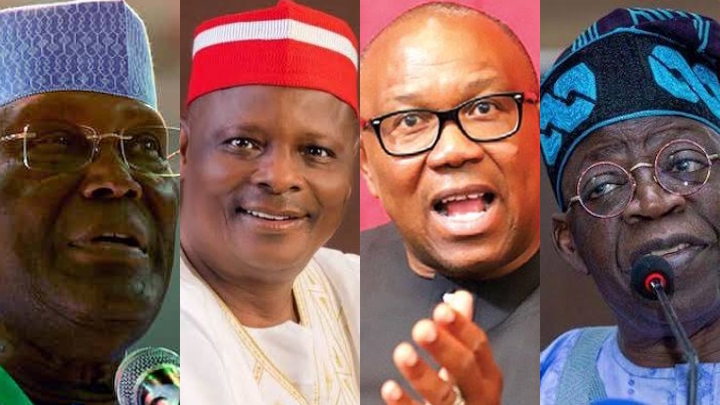

As Nigeria enters election eve ahead of the 2027 general elections, brands face a high-stakes paradox where there is heightened consumer attention combined with dramatically declining trust in information and advertising, according to the seventh trend unveiled at the Top Trends 2026 event held in Lagos.
The findings, presented by Emmanuel Adediran of mediaReach OMD, reveal that while 62% of Nigerians pay closer attention to political content during election periods, trust in information has declined across virtually every channel with advertising trust dropping from 56% in 2022-2023 to just 38% in 2024-2025, a catastrophic 28% decline.
GeoPoll’s aggregated data trends show that 38% of Nigerians pay “much more closely” attention to political news during election periods, with an additional 24% paying “somewhat more closely” attention. Combined, this 62% is a big opportunity for brands to reach engaged audiences.
However, this heightened attention comes with elevated skepticism. Trust in television news declined from 79% in the 2022-2023 election cycle to 56% in 2024-2025. Radio trust dropped from 49% to 31%. Social media trust fell from 51% to 38%. Even WhatsApp groups, often considered more trustworthy due to their personal nature, saw trust decline from 56% to 44%.
The trust decline is driven by multiple factors that intensify during election cycles. High social media influence combined with decentralized news dissemination makes it harder to control narratives or fight fake news. Political operatives, interest groups, and bad actors flood digital channels with misinformation, making it increasingly difficult for consumers to distinguish credible information from manipulation.
“Cancel culture” is expected to become more prominent among influencers and media houses, with public figures facing swift backlash for perceived political alignments or controversial statements. Regulatory sanctions from the National Broadcasting Commission (NBC) and the Advertising Regulatory Council of Nigeria (ARCON) are anticipated to increase as authorities attempt to manage the information environment and enforce standards.
Political advertising spend will spike dramatically, creating anticipated clutter and raising the risk that commercial brand messages get lost in the noise or, worse, become inadvertently associated with political content that triggers negative consumer reactions.
What Nigerians Expect from Brands
Despite 86% of Nigerians believing that brands should participate in social causes (from a Youth Survey conducted in June 2024), consumer preferences during election periods reveal a more nuanced picture. When asked specifically about brand communication during elections, 46% prefer brands to stay neutral, while 22% prefer less advertising overall, combining for 68% who want reduced or neutral brand presence.
Only 8% prefer more brand engagement during election periods, while 24% report no difference in their preferences. These numbers indicate that while Nigerians generally support corporate social responsibility, they distinguish between ongoing social engagement and election-period communication, preferring brands to exercise restraint during politically charged moments.
The dominance of political advertising during this period will cause anticipated clutter across all media channels, with particular intensity on television, radio, outdoor media, and digital platforms. Media costs typically spike as political campaigns outbid commercial advertisers for premium inventory, while audience attention becomes fragmented across numerous political messages.
“For marketers, the task will be to explore more creative ways to still achieve set objectives amidst the anticipated clutter,” Adediran emphasized. “Unlike previous elections, the stakes are higher with strong, experienced contenders, making the media environment even more competitive and unpredictable.”
The research identifies distinct implications for different stakeholder groups. For media, election periods intensify competition for attention and increase audience skepticism. Neutral, informative, and utility-driven content may perform better than opinionated or emotionally charged formats that risk being perceived as politically motivated.
For markets, brands face elevated reputational risk during election cycles. Those that adjust messaging, reduce overt persuasion, and focus on trust-building actions are better positioned to maintain relevance and credibility.
Indeed, consumers will be more alert but more cautious. They scrutinize information closely, are sensitive to tone, and reward brands that demonstrate responsibility without appearing political. Any brand communication perceived as exploiting political tensions, taking sides, or manipulating the electoral process will trigger swift backlash. Conversely, brands that provide genuine value, maintain neutrality, and respect consumer intelligence can strengthen relationships during this sensitive period.
Now in its fifth edition, Top Trends continues to provide the data-driven insights that Nigerian marketers need to navigate an increasingly complex and dynamic consumer landscape. This year’s edition themed “Insight-Driven Decisions to Disrupt the Marketing Industry in 2026” brought together industry leaders, marketers, and brand strategists to explore the forces reshaping consumer engagement and brand strategy.
The platform, founded by mediaReach OMD in partnership with Lagos Business School, Pan-Atlantic University, GeoPoll, and the National Institute of Marketing of Nigeria (NIMN), has established itself as Nigeria’s premier marketing thought leadership forum.