

Analysts Converse At WIMCA 2026: AI Is Reshaping Marketing, But Human Intelligence Holds All The Aces

Artificial intelligence is changing how brands understand consumers, create content and make marketing decisions, with marketing and communications professionals urged to embrace the technology while retaining the human insight needed to create meaningful connections.
This was a key takeaway from the session, “Artificial Intelligence and the New Realities of Marketing to Women,” at the Women in Marketing and Communications Africa (WIMCA) 2026 conference.

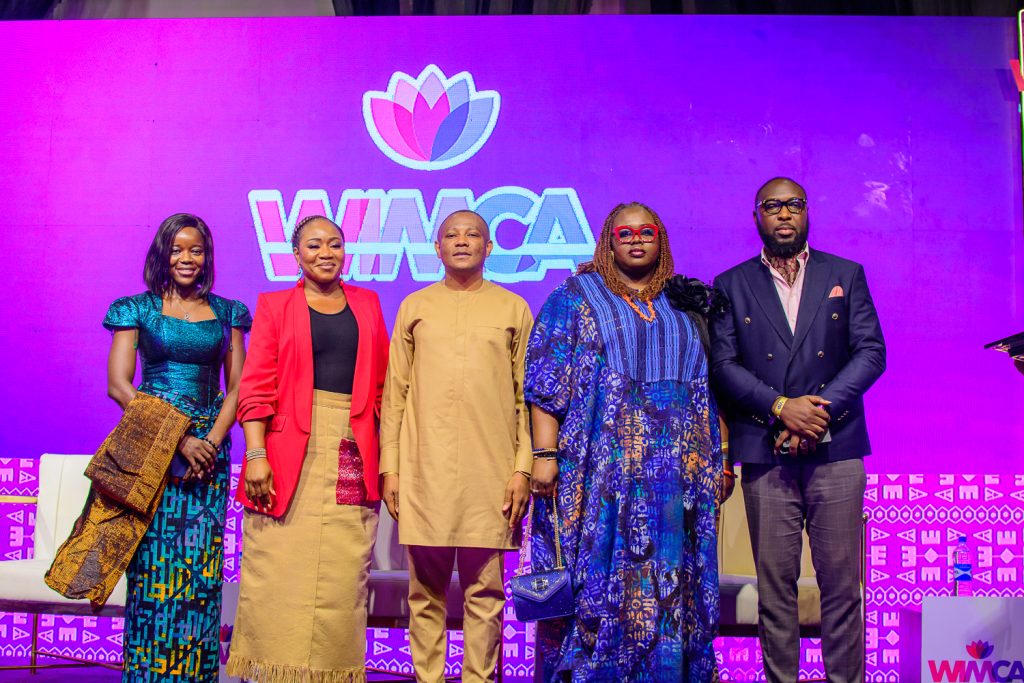
The session featured Mr Chibuike Goodnews, Founder, Dochase ADX; Mrs Martha Kayode, Head of Marketing, PZ Cussons; Mr Kenneth Iruonagbe, Group Head, Digital Marketing, Tropical General Investment (TGI); and Esosa Osagiede, Group Creative Director, Insight Publicis. Elizabeth Ogunseye, Co-Founder and Chief Marketing Officer, Subify Technology, moderated the session.
Speaking on the impact of AI on marketing, the panel noted that the technology is significantly improving the speed at which marketers can generate insights, develop strategies and execute campaigns.
According to the speakers, processes that previously took weeks or months can now be completed in a matter of hours, allowing marketers to spend more time on strategic thinking and decision-making.
Iruonagbe explained that AI is already playing an important role across TGI brands, particularly in insights, personalisation and optimisation.
He noted that AI can help marketers move beyond broad audience descriptions such as women aged 25 to 35 by providing a deeper understanding of consumer behaviours, interests and mindsets.
He explained that consumers can have different needs at different points in their day, making it important for brands to understand the context in which they interact with them and tailor communication accordingly.
AI is also helping marketers monitor campaigns while they are running, identify performance issues and determine where marketing spend can be better allocated.
The panel, however, stressed that the growing use of AI does not eliminate the need for human creativity.
Osagiede noted that AI can generate creative assets such as scripts, videos, music and other forms of content, but it does not have the lived experiences and cultural understanding that allow creative work to genuinely connect with people.
For creatives, he said, AI should be seen as a reliable co-pilot that can help generate ideas and speed up execution, while the human remains responsible for finding the right words and adding the cultural context.
The speakers also highlighted the importance of prompt engineering and the ability to critically assess AI-generated information.
Chibuike Goodnews emphasised that marketers need to understand how to direct AI effectively and recognise when its recommendations may not be appropriate for a particular audience or brand.
He noted that AI does not have emotions or the ability to fully understand the context behind human behaviour, making human oversight essential.
The panel encouraged marketers to treat AI-generated outputs as a starting point rather than a final answer. AI can help with research and data mining, but marketers should probe the results, introduce their own research and data, and apply their professional judgement before using the information.

Kayode also highlighted the importance of adapting to the rapid changes AI is bringing to the industry, urging marketing professionals, particularly women, to upskill as quickly as possible.
She noted that marketers will increasingly need skills in trend spotting, understanding AI tools, interpreting outputs, prompt engineering and decision-making.
The panel further predicted that AI would create greater visibility into the relationship between marketing activities and business results. With better integration of AI, analytics, revenue data and internal business information, marketers will be able to more clearly identify the channels driving conversions and incremental revenue.
The speakers also pointed to the changing nature of consumer engagement, noting that brands need to consider channels that feel more direct and human. Platforms such as WhatsApp and SMS, for example, can create a quicker and more conversational experience than directing consumers through lengthy web journeys.
As AI makes content production faster and more accessible, the panel concluded that human connection will become an even more important differentiator.
The message from WIMCA 2026 was clear: marketers do not need to compete with AI. They need to learn how to use it, question it and combine its speed and scale with human creativity, cultural understanding and sound judgement.
